

Your heart is one of the most vital organs in your body, and often, it gives subtle signs when something isn’t quite right. In today’s fast-paced world, it is easy to overlook minor symptoms, dismissing them as stress or fatigue. But ignoring these signals could be dangerous.
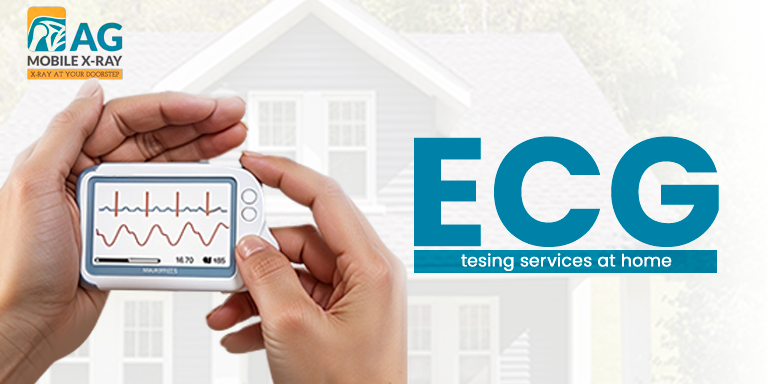
Thanks to the growing availability of ECG testing services at home, getting your heart checked has never been easier or more convenient. Whether you are a senior citizen, a working professional, or a caregiver for a loved one, home-based ECG testing offers a quick, painless way to monitor your heart health.
In this blog, we’ll explore 10 key signs that indicate it may be time to book ECG testing services at home, and why acting promptly could protect your health and even save your life.
What Is an ECG Test?
An electrocardiogram (ECG or EKG) is a simple, non-invasive test that records the electrical activity of your heart. It helps doctors detect various heart-related issues, such as:
- Irregular heart rhythms (arrhythmias)
- Blocked arteries or heart disease
- Previous heart attacks
- Structural abnormalities in the heart
- Overall heart function
Traditionally, ECG tests were performed in hospitals or clinics. But now, with advanced portable ECG equipment and trained technicians, you can access ECG testing services at home, avoiding hospital queues, travel stress, and unnecessary exposure to infections.
Why Choose ECG Testing Services at Home?
There are several reasons why people today prefer at-home ECG testing:
- Convenience: No need to travel to a hospital or clinic.
- Comfort: Get tested in your own home environment.
- Accessibility: Ideal for seniors, post-surgery patients, and those with mobility challenges.
- Time-saving: Schedule the test when it suits your routine.
- Reduced infection risk: Especially important during times of viral outbreaks or for those with weakened immunity.
Now, let’s explore 10 signs you should never ignore, signs that may indicate the need for ECG testing services at home.
1. Persistent Chest Pain or Discomfort
Not all chest pain is heart-related, but it’s one of the most important symptoms to take seriously. If you experience:
- A feeling of pressure or tightness in your chest
- A squeezing sensation
- Pain that radiates to your jaw, neck, shoulders, or arms
In such cases, immediate medical attention is needed, and an ECG can help diagnose the problem quickly.
2. Shortness of Breath
If you find yourself becoming breathless with minimal exertion or even while at rest, this may be a sign that your heart is struggling to pump blood efficiently. Causes could include heart failure or arrhythmias.
An ECG can help identify whether the shortness of breath is heart-related or due to another cause such as a lung problem. Booking ECG testing services at home ensures you don’t delay care due to difficulty reaching a clinic.
3. Unexplained Fatigue
While many people feel tired after a long day, constant fatigue without an obvious cause should not be ignored. If your fatigue is accompanied by dizziness, weakness, or lightheadedness, an underlying heart condition could be to blame.
An at-home ECG test can help uncover issues like bradycardia (abnormally slow heart rate) or heart block that may cause chronic fatigue.
4. Irregular Heartbeats (Palpitations)
Do you feel your heart skipping beats, fluttering, or beating too fast or too slow?
Palpitations can sometimes be caused by anxiety or caffeine intake, but persistent or severe irregular heartbeats may point to arrhythmias that require immediate attention.
Through ECG testing services at home, you can capture the electrical patterns of your heart and help doctors diagnose potential arrhythmias.
5. Dizziness or Fainting Spells
Frequent episodes of dizziness, lightheadedness, or fainting can be warning signs of heart rhythm abnormalities or poor blood flow to the brain.
An ECG test is one of the first steps doctors use to evaluate such symptoms. Booking an at-home ECG can make this process quicker, especially if you or your loved one is prone to fainting or has difficulty attending hospital appointments.
6. High Blood Pressure (Hypertension)
High blood pressure is a known risk factor for heart disease. If you’ve been diagnosed with hypertension, periodic ECG monitoring is advisable to detect any early signs of heart strain or damage.
With ECG testing services at home, you can monitor your heart conveniently and ensure your treatment plan is effective.
7. Diabetes with Heart Disease Risk
People with diabetes are at a much higher risk of developing heart problems. Even in the absence of obvious symptoms, periodic ECG checks are recommended for diabetics as part of preventive cardiac care.
At-home ECG testing makes it easier for diabetics to monitor their hearts regularly without the hassle of frequent hospital visits.
8. History of Heart Disease or Family History of Cardiac Issues
If you or your close family members have a history of heart disease, you’re at greater risk of developing cardiac problems yourself.
An ECG can serve as a valuable baseline record of your heart’s function. Booking ECG testing services at home ensures that this important screening is both accessible and stress-free.
9. Routine Cardiac Screening for Seniors
Even if you don’t have specific symptoms, routine ECG screening is often advised for individuals above 60 years of age. Many cardiac issues can progress silently, and early detection is key to preventing complications.
ECG testing services at home are an excellent option for seniors who may find it difficult to visit clinics regularly.
Conclusion
Your heart speaks to you, sometimes subtly, sometimes urgently. Listening to its signals and acting early can make all the difference.
Whether you’re dealing with worrisome symptoms, managing a chronic condition, or simply prioritizing preventive care, ECG testing services at home offer a modern, patient-friendly solution.