

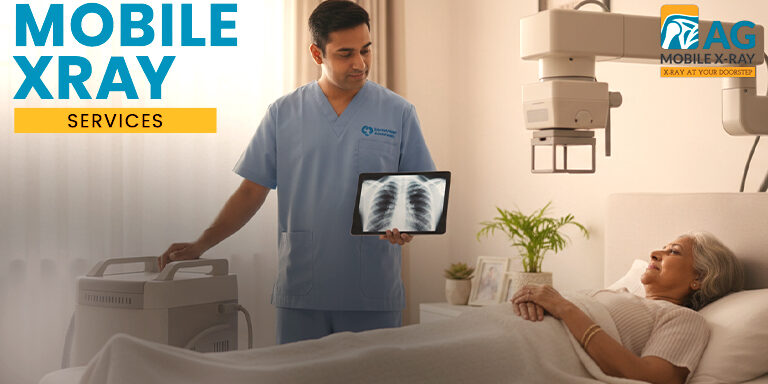
Healthcare is no longer limited to hospitals and diagnostic centres. Over the last few years, patients have started choosing healthcare that fits into their daily lives rather than planning their lives around medical appointments. From online doctor consultations to home nursing and laboratory sample collection, healthcare has steadily moved closer to where patients feel most comfortable—their homes.
Diagnostic imaging is following the same path. Today, mobile X-ray services are becoming an essential part of modern home healthcare by making routine imaging more accessible for patients who need timely diagnosis without unnecessary travel. This shift is not simply about convenience; it reflects a broader change in how healthcare is delivered, focusing on patient comfort, efficiency, and continuity of care.
The Shift Towards Patient-Centred Healthcare
Healthcare providers are increasingly focusing on improving the patient experience alongside clinical care. Families now expect healthcare services to be easier to access, less time-consuming, and better suited to the needs of individuals with limited mobility.
For many patients, travelling to a diagnostic facility involves arranging transportation, waiting in queues, and spending several hours completing a procedure that may take only a few minutes. This can be particularly challenging for elderly individuals, patients recovering from surgery, or those managing chronic health conditions.
Home-based healthcare services have emerged as a practical solution, allowing patients to receive professional medical support without disrupting their recovery or daily routine.
Routine Diagnostic Imaging Doesn’t Always Need a Hospital Visit
Many diagnostic imaging requests are part of ongoing treatment rather than emergency care. Doctors often recommend follow-up X-rays to monitor recovery, evaluate healing, or assess the progress of treatment.
In these situations, the primary goal is obtaining accurate diagnostic images—not necessarily visiting a hospital.
This is where mobile X-ray services create value. By bringing digital imaging directly to the patient’s location, routine diagnostic procedures become simpler, more comfortable, and easier to schedule.
Whether monitoring bone healing, evaluating chest conditions, or supporting rehabilitation, home imaging enables patients to continue their treatment journey with fewer interruptions.
Healthcare Is Becoming More Convenient for Families
Modern healthcare decisions often involve the entire family. Caregivers balance work, personal responsibilities, and medical appointments while ensuring their loved ones receive the care they need.
Transporting an elderly parent or a patient with limited mobility can require significant planning. Multiple family members may need to accompany the patient, arrange transportation, and spend several hours travelling and waiting.
By reducing these logistical challenges, mobile X-ray services help families save valuable time while allowing patients to remain in familiar surroundings.
This convenience is becoming an important factor in healthcare choices, especially as more people seek services that support independent living and home recovery.
Supporting the Growing Need for Elderly Care
India’s ageing population continues to increase, creating greater demand for healthcare services designed around senior citizens.
Many older adults experience difficulty walking, climbing stairs, or travelling long distances. Frequent hospital visits for routine imaging can be physically exhausting and emotionally stressful.
Home-based diagnostic imaging provides a more comfortable alternative by allowing elderly patients to receive professional care where they feel safest.
Combined with home nursing, physiotherapy, and regular medical consultations, mobile X-ray services contribute to a more connected and patient-friendly approach to senior healthcare.
Digital Technology Is Transforming Diagnostic Imaging
Advancements in digital imaging technology have significantly improved the efficiency of diagnostic services.
Portable digital X-ray systems produce high-quality images that can be securely shared with radiologists for interpretation. This digital workflow reduces delays, improves communication between healthcare professionals, and supports faster clinical decision-making.
Electronic image storage also makes it easier for doctors to compare current and previous scans, helping them monitor recovery more effectively.
As healthcare becomes increasingly digital, mobile imaging continues to play an important role in delivering timely diagnostic support.
Home Healthcare Is Becoming a Complete Care Ecosystem
Home healthcare today extends far beyond nursing visits.
Many patients now receive a combination of services without leaving their homes, including:
- Doctor consultations
- Nursing care
- Physiotherapy
- Laboratory testing
- Medication management
- Mobile X-ray services
Instead of functioning as individual services, these healthcare solutions work together to support continuous patient care.
This integrated approach helps improve communication between healthcare professionals while making treatment more convenient for patients and caregivers.
Why Timely Diagnostic Imaging Matters
Delaying diagnostic imaging can postpone treatment decisions, recovery plans, and follow-up care.
Patients recovering from fractures, chest infections, orthopedic procedures, or other medical conditions often require periodic imaging to evaluate their progress. Access to timely diagnostic services allows doctors to review changes early and make informed decisions about ongoing treatment.
By improving accessibility, mobile X-ray services help ensure that routine imaging can be completed without unnecessary delays caused by transportation challenges or scheduling difficulties.
Timely diagnosis remains one of the most important factors in effective healthcare, and convenient access plays a significant role in achieving better outcomes.
Looking Ahead: The Future of Diagnostic Care
Healthcare is steadily moving towards models that prioritise accessibility, efficiency, and patient convenience.
As technology continues to advance, home-based diagnostic services are expected to become an increasingly important part of everyday healthcare. Digital reporting, improved communication between healthcare professionals, and portable medical technologies are creating new opportunities to deliver quality care outside traditional clinical settings.
Rather than replacing hospitals, home-based diagnostic imaging complements existing healthcare systems by making routine investigations more accessible for patients who benefit from receiving care at home.
This evolution reflects a larger healthcare trend—bringing essential medical services closer to patients while maintaining high standards of quality and clinical reliability.
Conclusion
The future of healthcare is centred on improving patient access, reducing unnecessary travel, and delivering quality medical services wherever they are needed. As more families choose home-based healthcare solutions, mobile X-ray services are becoming an important part of this transformation.
By supporting routine diagnostic imaging at home, these services help patients continue their treatment journey with greater comfort, convenience, and efficiency. Whether supporting elderly care, post-operative recovery, rehabilitation, or ongoing medical monitoring, mobile diagnostic imaging is reshaping the way healthcare is experienced.
As patient expectations continue to evolve, home-based diagnostic services will play an increasingly important role in creating a healthcare system that is accessible, connected, and focused on individual needs.